Licensed Video Games Are A Dying Art, And They Need To Make a Comeback
Last month, I went to see Sony Pictures Animation’s GOAT, and while I enjoyed it a lot, I left the theater with one particular conclusion: “If that movie had come out 20 years ago, there would be a home console video game based on it that I could play right now. Unfortunately, it will only get a Fortnite skin if we’re lucky.” Lo and behold, a few days later, it was announced that Fortnite was getting GOAT skins and a new mode to promote the movie.
I recalled having a similar thought when I watched KPop Demon Hunters in mid-2025, as I thought that a B-list hack-and-slash title about HUNTR/X mowing down hordes of demons while their music plays in the background would have been a lot of fun to play, and yet, their only foray into the wonderful world of gaming was just a set of cosmetic Fortnite skins. This helped me come to the realization that movie-licensed games have pretty much gone extinct, and I think children today are really missing out. However, were these adaptations of beloved childhood films as good as I remember them to be? Let’s analyze the history of this bizarre subgenre of video games in order to find a concrete answer.
The Entire Industry Almost Died Due To A Movie-Licensed Game
Licensed video games have been a thing for as long as the gaming industry has existed. After all, their existence makes a lot of sense, doesn’t it? Make a game based on a popular movie or TV show, and people (especially kids) will not hesitate to jump on it because it’s familiar, it’s something that they already know, so it’s easier to get into it. Of course, this practice benefits both the consumers and the developers, since the latter can just borrow pre-existing characters, settings, and story elements from a licensee instead of trying to come up with their own.
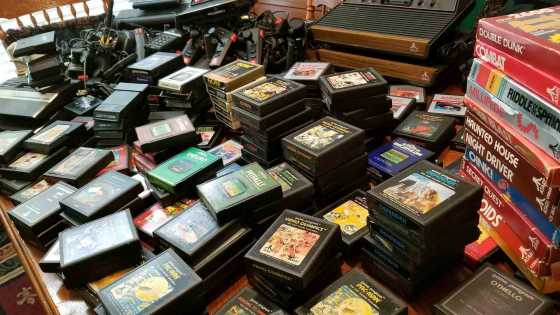
While it is almost impossible to determine which was the very first movie-licensed game, it’s commonly believed that it is Atari’s Shark Jaws, which is obviously based on Steven Spielberg’s iconic shark movie from 1975, but, curiously enough, is technically not official because Atari couldn’t secure the rights from Universal Pictures. Regardless of the outcome, Shark Jaws marked the beginning of a new trend, as more and more licensed video games would eventually come out for both the arcades and primitive home consoles like the Atari 2600 on a regular basis. Some notorious examples include: Star Wars, Raiders of the Lost Ark, Halloween, and Masters of the Universe.
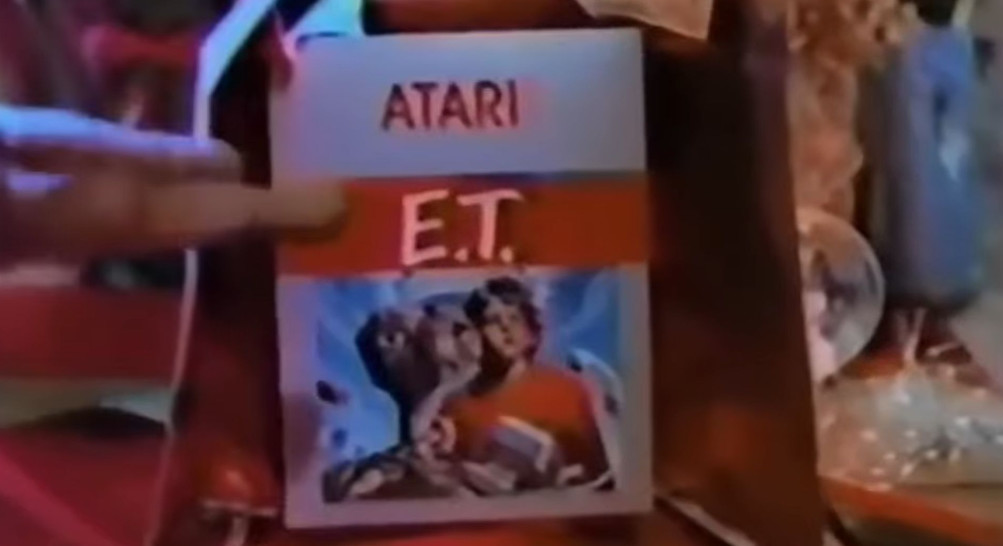
But you know where this is going; as this is the part of this retrospective that gets a lot less fun: the arrival of E.T. the Extra-Terrestrial, the licensed game that almost killed the entire gaming industry in North America. To make a long story short, Atari secured the rights to the E.T. film in 1982 and had to finish a video game adaptation for the Atari 2600 before the Christmas Holiday season. The legendary Howard Scott Warshaw developed the entire thing in six weeks and, despite his best efforts, the final product was a weird and confusing mess that appealed to no one. To make things even worse, Atari had estimated that the E.T. game would sell very well due to the movie’s massive popularity, but it ended up doing very poorly sales-wise, thus forcing the company to bury thousands of copies in the New Mexico desert (This used to be an urban legend, but the copies were eventually found in 2015).
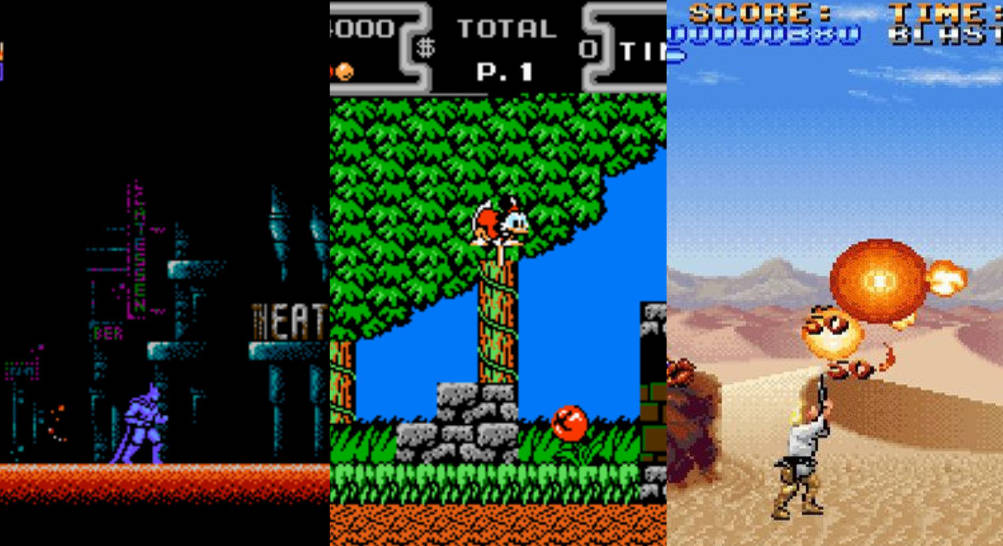
It would be unfair to claim that just one movie-licensed game killed the gaming industry, but E.T. the Extra-Terrestrial is commonly cited as one of the low-quality products that plagued the industry during the 80s, which eventually led to the infamous North American Video Game Crash of 1983. To no one’s surprise, however, licensed video games would make a comeback after Nintendo helped revitalize gaming with the release of the NES. Gaming was at full force during the mid-80s and early 90s, and companies were obviously not going to lose the chance to profit from it with their movie and TV show licenses. The consoles that defined this era (the NES, the SNES, and the Sega Genesis) were filled to the brim with video games based on existing IPs and, fortunately for consumers at the time, some of them were actually very good: Batman: The Video Game, DuckTales, Teenage Mutant Ninja Turtles, The Adventures of Batman & Robin, Super Star Wars, Disney's Aladdin, and countless more, all of which are considered to be some of the best games of their respective console’s catalogs.
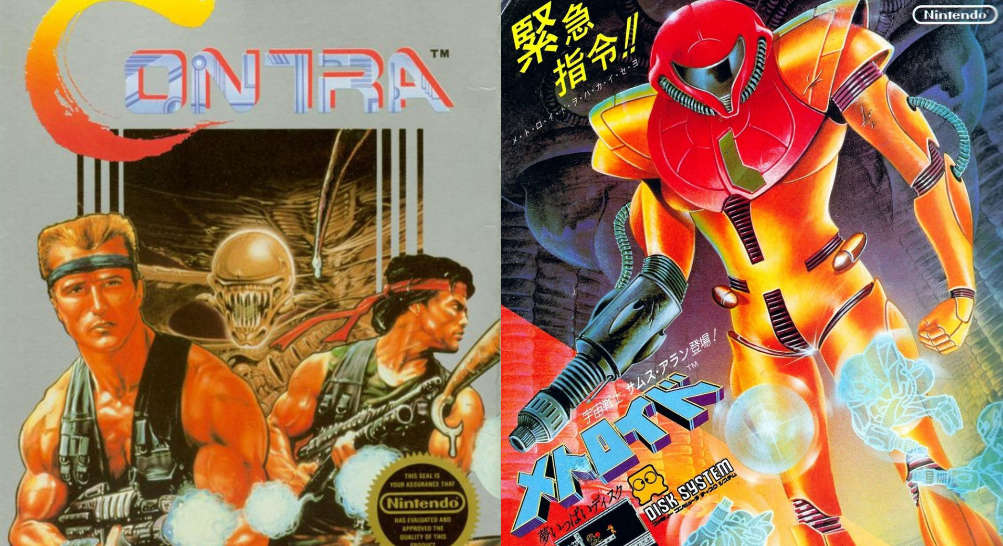
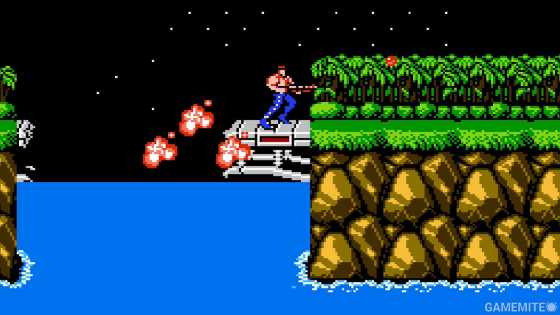
Curiously enough, however, many video game companies would even use movies as inspiration for their original IPs, and create what were basically unofficial game adaptations (that would later go on to adapt their own identities, separately from the films they were based on). Konami’s Contra series was blatantly based on the high-octane action movies of the 80s starring actors like Arnold Schwarzenegger or Sylvester Stallone. Nintendo never hid the fact that Metroid was heavily inspired by Ridley Scott’s Alien. It’s safe to say that the film industry had a huge impact on the video game industry, and that movie-licensed games were here to stay.
As technology kept evolving throughout the 80s and 90s, and newer consoles were capable of running 3D graphics, it felt like the possibilities for games based on movies were almost endless, which led to what is basically known today as the “Golden Era” of this bizarre subgenre.
The Golden Era Of Licensed Video Games
Licensed video games were still a thing during the fifth generation of consoles, which was defined by the arrival of 3D graphics, but they would eventually reach a new peak during the next one, when game developers were finally able to polish and perfect this new technology. The new graphical capabilities of these systems allowed studios to basically replicate the look of everyone’s favorite movies in a surprisingly faithful way, whether they were animated or live-action. As a result, most adult gamers nowadays will agree that the PS2, GameCube, and Xbox boasted some of the absolute best movie-licensed games of all time.
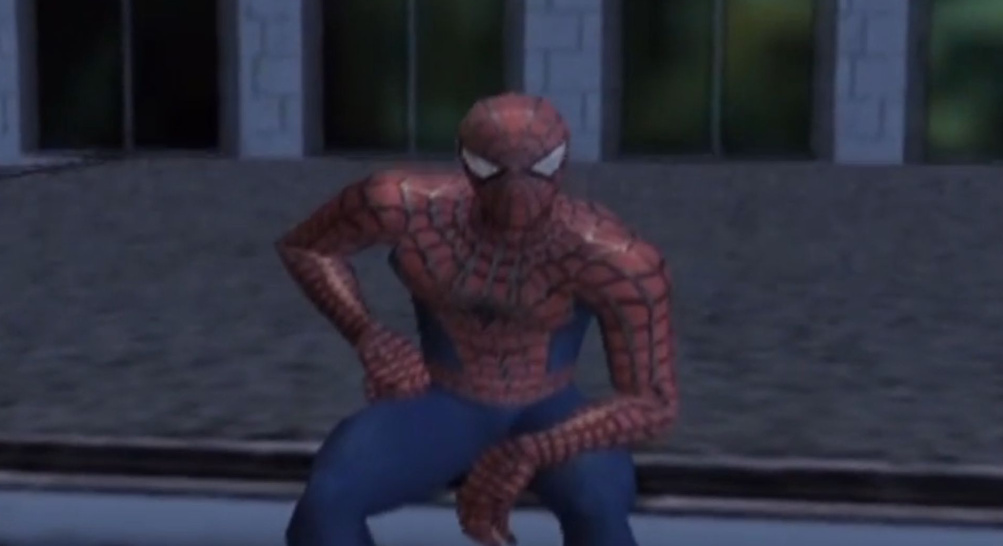
Let’s take, for example, Spider-Man 2, based on the Sam Raimi movie of the same name. Thanks to its ambitious open-world map, its flawless web-swinging mechanics, its satisfying combat, and its vast array of Spider-Man villains (most of which don’t even appear in the original), this is widely considered one of the best Spider-Man games ever made, not to mention that it seemed to have paved the way for Insomniac Games’ Marvel's Spider-Man for the PS4. None of this would have ever been possible if Activision hadn’t secured the film’s license and hired Treyarch to develop its game adaptation.
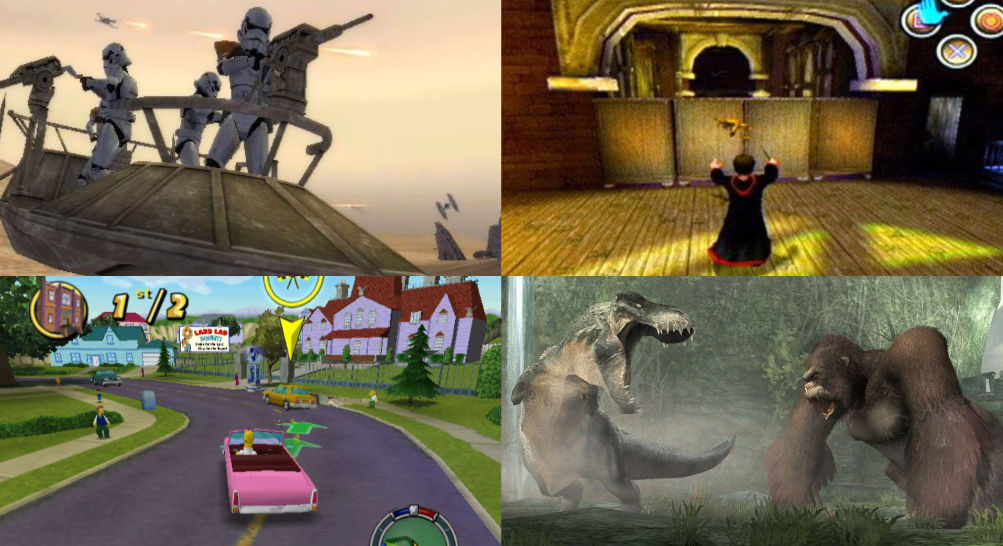
That was only the tip of the iceberg, as multiple high-quality, critically-acclaimed video games based on movies and TV shows came out throughout the early-to-mid 2000s: Star Wars: Battlefront (and its sequel) became the de-facto multiplayer shooter for fans of the galaxy far away, Harry Potter and the Chamber of Secrets was a 3D Legend of Zelda clone that allowed players to explore Hogwarts, The Simpsons: Hit & Run was basically a GTA game with a Simpsons coat of paint, and despite its mouthful of a title, Peter Jackson's King Kong: The Official Game of the Movie was a technically impressive FPS with a minimalistic HUD and intense survival gameplay.
Licensed games during this generation were not only a source of endless hours of entertainment, but they were also a safe place for many kids. Every time a new movie would hit theaters, they could be sure that its respective game adaptation would be released in stores either shortly before or after, thus allowing them to delve deep into the wonderful worlds of their favorite fictional stories. Shrek, Madagascar, Toy Story, Ratatouille, Cars, etc., all of these beloved animated movies had their own video game adaptations. What’s especially interesting is that most of these products were made by studios that specialized in the action-adventure and platforming genres and who would go on to make excellent games in the future, with DICE, Toys for Bob, and Heavy Iron Studios being some of the most notorious examples.
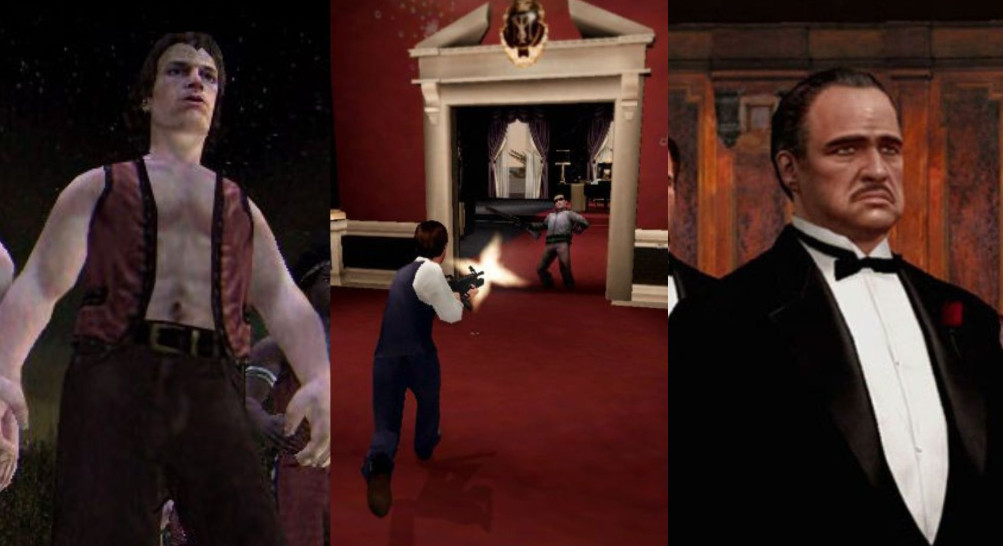
This “Golden Era” of licensed games was not perfect solely for young children, but also for adult gamers who may have dipped their toes into the industry during their youth, back when video games were primitive and rudimentary, but who were now able to travel to the worlds of their favorite movies, no matter how old they were. The technological advancements of the new millennium, combined with the rise in popularity of games about criminals and gangsters that was caused by the GTA series, led to the creation of PS2, GameCube, and Xbox titles based on iconic movies of the 70s and 80s, like The Warriors, Scarface: The World Is Yours, or The Godfather: The Game. Yes, most of these games were GTA clones with voice actors that tried to replicate the performances of movie stars like Al Pacino or Marlon Brando, but they were admittedly very fun to play and were received relatively well by audiences.
Now, let’s step back and take a look at the entire picture. We all had fun with movie-licensed games, from Spider-Man 2 to Madagascar, but it’s important to ask the question: were these games as good as we remember? Of course, we have fond memories of all the great titles we enjoyed when we were younger, so it’s easy to forget how oversaturated the market was and that most licensed video games were actually quite terrible. Every now and then, a social media account about retro video games will post about a PS2 game that’s based on an animated movie from the same era, it will get thousands of likes, and many people will begin to lament the death of the movie-licensed subgenre. This begs the question: do these games, which were only made to market another product and not to be a state-of-the-art masterpiece, really warrant that reaction? Let’s be honest, that’s the nostalgia talking: it’s highly unlikely that the Monster House video game you played on your PS2 as a kid was anything else but mediocre.
It’s important to remember that video games during this era took a lot less time and resources to make. Hollywood studios could license the rights to their upcoming movies to a big video game publisher (like Activision or THQ), who would then hire a small developer to make a game that’s loosely based on the same film in the span of a year (or less). While we were fortunate enough to receive some amazing titles during this generation, the truth is that most movie-licensed games were just subpar products. I’ve fallen into this practice myself, as I recently went back to some of my favorite PS2 games based on films like Open Season, only to feel disappointed by how middle-of-the-road they were. Yes, they weren’t necessarily bad, but they were just repetitive, generic, and uninspired. At the end of the day, however, we can still feel relieved that we at least got the chance to experience high-quality video games based on movies and TV shows, even if only one per year was worth buying. Nowadays, those welcomed exceptions aren’t even a thing in the industry anymore, as the arrival of online gaming and the rise of mobile devices put an end to this practice during the 2010s.
How Smartphones (And Fortnite) Killed The Concept Of Licensed Games
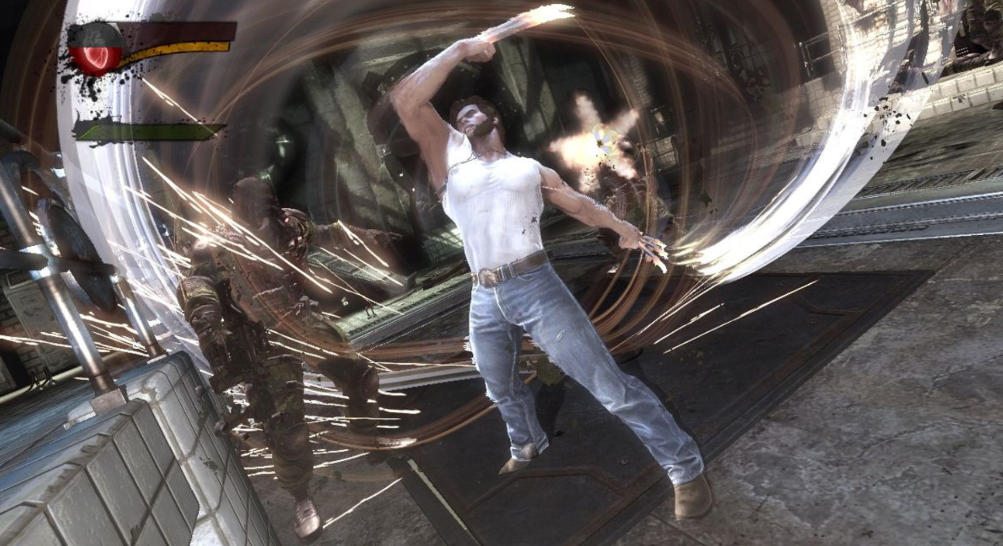
Contrary to popular belief, movie-licensed games still had a presence during the seventh console generation, with notorious examples being Avalanche Software’s Toy Story 3 game, which combined platforming and town building/customization in a seamless and brilliant way, and X-Men Origins: Wolverine, a brutal God of War clone starring Wolverine that was even better than the lackluster movie it was based on. However, this practice did end up slowly dying at the start of the 2010s decade, and it can be chalked up to two big reasons.
The first one was the rising costs of video games as a whole. The arrival of HD graphics and the rise of online gaming led to PS3 and Xbox 360 games being much more expensive and time-consuming to make than their predecessors from the previous generation. For example, the average PS2/GameCube game had a budget of around 3 to 6 million dollars, whereas the average PS3/Xbox 360 game usually had budgets between 12 and 20 million dollars (depending on its scope and content). Console games were getting more and more challenging to make, and most publishers knew that spending all that time and money working on a subpar product based on a recently released film or TV show was not always going to be worthwhile.
The second factor that contributed to the death of licensed games was the boom in popularity of smartphones and, by extension, mobile gaming. Apple introduced the original iPhone in 2007, and it practically changed the world forever; this wasn’t just a mere phone with a screen, it was basically a pocket-sized computer that was able to do much more than just send messages and make phone calls. The iPhone could browse the internet, use various applications with different utilities, and, of course, play exclusive video games. The massive worldwide success of the iPhone directly led to the smartphone era, in which these devices slowly began replacing every other type of cell phone and became the norm throughout the entire world. Since smartphones could run video games that were way more technically and graphically impressive than anything seen on a cell phone before, more and more developers began making games for them, including both brand-new exclusive titles and handheld ports of the classics.
Back in the 2000s, popular movies and shows were usually turned into low-budget home console games (with the occasional exception here and there), but the arrival of the smartphone completely changed the environment. Hollywood studios and game publishers realized that they could promote brand-new films by making and releasing simple, low-cost mobile games instead of spending all the time and money required to make a PS3, Xbox 360, or Nintendo Wii video game. Needless to say, this was a shift that took place gradually, over the course of many years, but it still marked the beginning of the end for movie-licensed games on consoles. From 2010 to 2020, big-budget movies like Godzilla, Star Wars, Jurassic World, The Minions, and even The Godfather (again, for some reason…) received mobile game adaptations, many of which were eventually delisted and cannot really be accessed today. Even Marvel and DC, which were enjoying the effects of the new age of superhero movies, dropped out of the console race after some of their late-2010s adaptations (like Thor or Green Lantern) sold poorly and received mostly negative reviews. They certainly can’t be blamed, however. Why would they spend all those resources on making a subpar home console video game that is fated to become a failure when they could invest a lot less money and time in a simple but effective mobile game instead? Not to mention that some of these mobile games possessed elements that felt innovative at the time and allowed their respective publishers to keep their community engaged for many years to come, like microtransactions, expansions, events, battle passes, and more.
As the title of this segment suggests, there’s a third secret reason why movie-licensed games died off in the mid-to-late 2010s, and it’s the weirdest but most important one so far: the launch of Fortnite: Battle Royale. Back in 2017, Epic Games took what was originally supposed to be a tower defense/survival zombie game and turned it into a battle royale game to compete with PUBG: Battlegrounds. Fortnite quickly became an overnight sensation (mainly due to the fact that, unlike the competition, it was 100% free-to-play) and is now one of the biggest and most popular video games in the entire world. It is estimated that Fortnite has made Epic Games over 10 billion dollars since 2018, and it still boasts over 1 million concurrent players per day, with thousands of kids, adults, streamers, and influencers playing it on a regular basis.
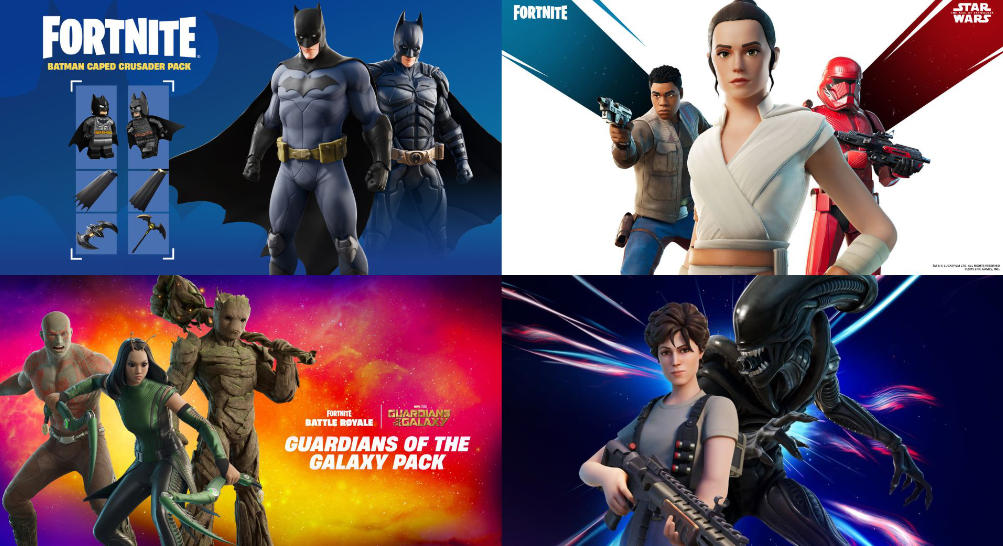
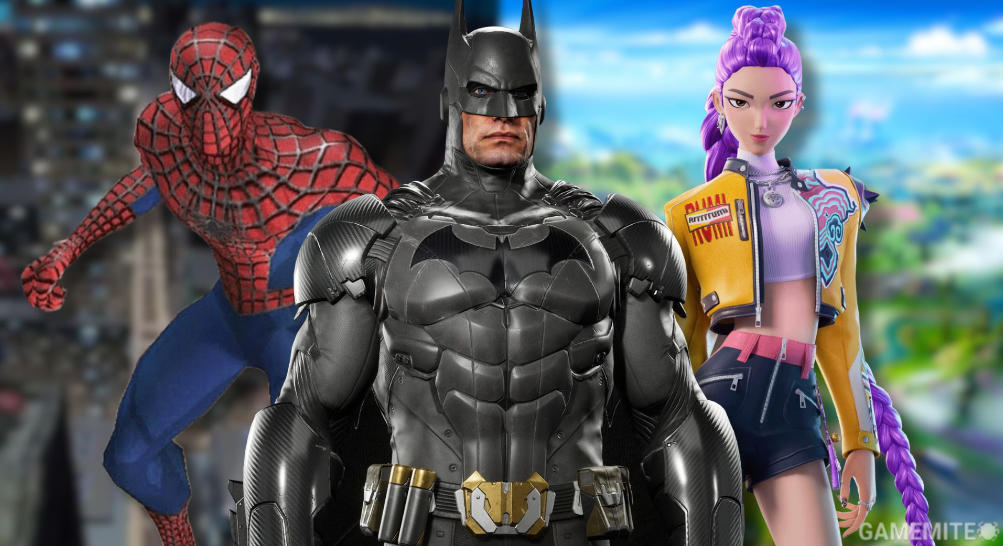
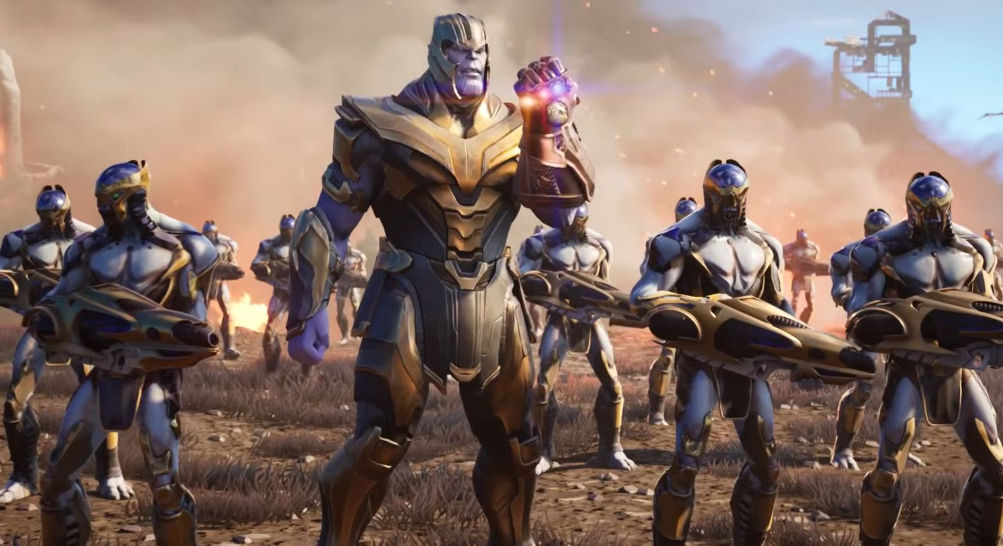
At one point, Epic Games realized that it could use the massive popularity of Fortnite to make even more profit. It was a simple but effective idea: by adding skins based on popular characters from movies, shows, or even other video games, they could entice fans of those properties to try out the game while simultaneously promoting other companies’ products. This trend started in May 2018, when Thanos was added to Fortnite around the same time Avengers: Infinity War was playing in theaters. But it wasn’t a simple aesthetic change, as Thanos was also added alongside an Infinity Gauntlet item that makes the player who manages to seize it even more powerful. This limited-time event was a major success for both Epic Games and Disney, who began collaborating more and more often to include even more skins and items based on upcoming movies in Fortnite (like the infamous Star Wars: Rise of Skywalker event in 2019). And it wasn’t just Disney, as more and more renowned studios began working with Epic Games to create skins based on their popular movies or shows as part of limited promotions. Franchises like Star Wars, The Avengers, Spider-Man, Guardians of the Galaxy, Batman, Superman, Dune, Alien, Predator, Godzilla, Kill Bill, Stranger Things, and countless more dipped their toes into the world of gaming by being turned into exclusive Fortnite skins and nothing else (it’s also worth noting that Thanos was an exception, and most of these skins were just cosmetic, meaning they didn’t affect the gameplay at all). Other live-service video games soon followed this trend as well and began collaborating with other companies to make skins based on their most popular IPs. As a result, PUBG has had collaborations with the likes of Transformers or Godzilla, Overwatch has dressed up its heroes in costumes based on characters from Avatar: The Last Airbender and G.I. Joe, and so forth.
If you’re a seasoned gamer like me and you still miss movie-licensed video games like the ones we used to play on PS2/Xbox/GameCube when we were younger, this is precisely why this once-beloved trend has mostly died in the past decade. It makes a lot of sense, as it’s just way easier and less costly for studios to let companies like Epic Games or KRAFTON add cosmetic skins of their licensed characters to games like Fortnite or PUBG instead of spending all that time, money, and effort into making a subpar PS5/Xbox Series X/S/Nintendo Switch game that is inevitably going to fail, especially when considering how highly competitive that market currently is. But don’t feel disappointed or frustrated just yet, because I’ve been misleading you throughout this entire segment: Licensed games on home consoles didn’t technically die; they just evolved and adapted into the modern environment and eventually became something completely different. So, yes, while the days of playing a fun video game based on a brand-new animated or superhero movie are a thing of the past, nowadays there is a much more convenient (and artistically fruitful) alternative.
Licensed Video Games Didn’t Really Die, They Evolved
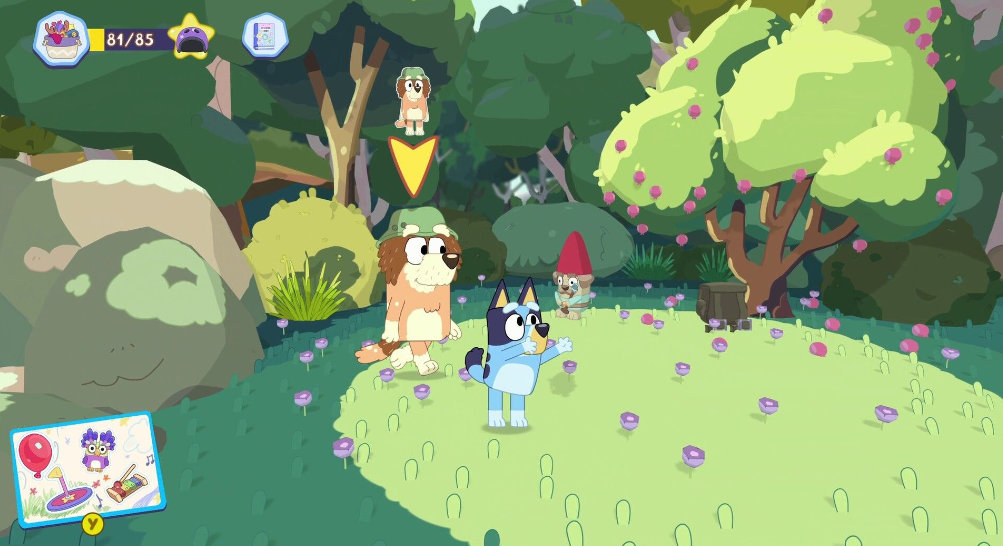
Leaving aside the aforementioned mobile titles and cosmetic skins in live-service games, there are three types of licensed video games in the industry today: low-budget home console tie-ins for little kids, fighters based on popular anime series, and original video games that make perfect use of an established IP. Let’s analyze each one of them to find out how well (or wrong) they’re keeping the spirit of the traditional licensed game alive.
It may be difficult to believe, but many animated shows for preschoolers have received video game adaptations in recent years. Some notorious examples include Bluey: The Videogame, My Friend Peppa Pig, and even the recently released Thomas & Friends: Wonders of Sodor. Needless to say, their quality is beyond questionable, their gameplay is so mundane and simple they can be considered “edutainment,” and they border on being shovelware, but they still fit the definition of a classic licensed game from the PS2 generation, seeing as they are available on major home consoles and are based on popular animated shows that are airing on TV right now. These games feel like relics of an ancient era, and, truth be told, their mere existence is both bizarre and endearing. If anything, it’s good to know that parents with a PS5 or a Nintendo Switch have something they can play with their young children on their main home console.
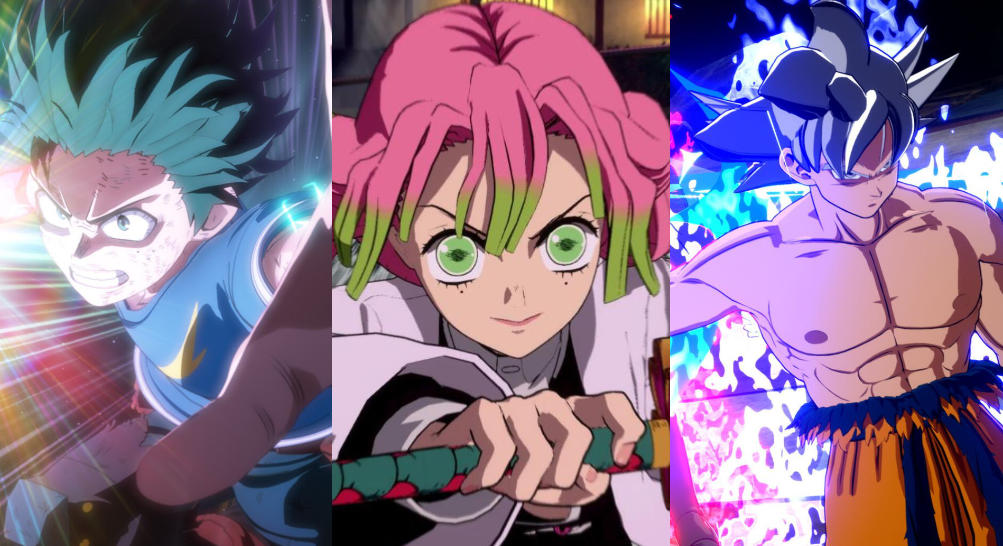
If there’s one market that was never able to let go of the concept of licensed video games, it’s Japan. Countless video game adaptations based on popular anime are developed every single year, both for console and mobile devices, with battle shonen anime obviously being the most common victims of this practice, seeing as they can be easily adapted into 3D arena fighters wherein players can make their various characters clash against each other. In the past few years, MY HERO ACADEMIA: All’s Justice, Demon Slayer - The Hinokami Chronicles, Jujutsu Kaisen: Cursed Clash, and Dragon Ball: Sparking! Zero were released on home consoles, and while they all saw varying levels of success, they successfully kept the essence of the licensed game alive. Curiously enough, however, even non-action anime have been recently adapted into video games that do not belong in the fighting genre, like SPY×ANYA: Operation Memories and Uma Musume: Pretty Derby. What’s especially interesting is that the holders of these iconic anime franchises (mainly Shueisha) have collaborated with Epic Games to add skins based on characters from Dragon Ball, Naruto, My Hero Academia, and Jujutsu Kaisen to Fortnite, thus proving that these two types of tie-ins (individual titles and cameo appearances in live-service games) can indeed co-exist in the modern gaming market.
Lastly, there’s one particular type of console video game I deliberately chose to omit from the previous segment. Marvel and DC did stop releasing AAA games based on their most recent feature films due to the failure of products like Thor: God of Thunder and Green Lantern: Rise of the Manhunters, but they did not only jump ship to the world of mobile gaming and stick around in the home console ecosystem in a clever new way. Licensed video games that tell original stories and are not based on any particular movie or show have always been a thing, but at one point in the late 2010s, publishers and developers must have realized they could use existing IPs to make big-budget titles with innovative gameplay and groundbreaking storylines that would automatically sell well among consumers who were already familiar with the source material. Franchises like Star Wars, Batman, Spider-Man, and The Lord of the Rings were perfect fits for these types of original adaptations, which is precisely why they all got high-quality video games around the same time.
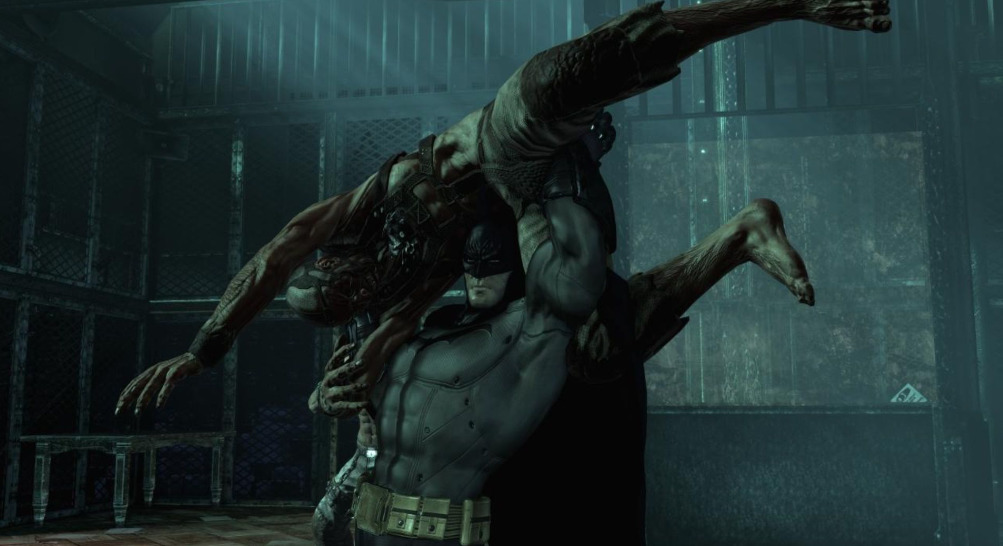
One of the titles that popularized this trend was Batman: Arkham Asylum by Rocksteady Studios. It came out during the peak in popularity of Christopher Nolan’s Dark Knight trilogy (a full year after The Dark Knight, to be specific), and yet, it’s not based on any of those movies, as it chose to tell a brand-new narrative set in its own original universe that pays homage to some of the most beloved comic book storylines, which made it extremely accessible because it meant gamers didn’t need to familiarize themselves with any movie or show to play it. As a result, Arkham Asylum was a massive critical and financial success that established Batman as a gaming icon and even received two incredible sequels, Arkham City and Arkham Knight. Nowadays, Rocksteady’s so-called Batman: Arkham trilogy is considered one of the best and most influential collections of superhero video games ever made, and it would have never existed if the publisher, Warner Bros. Interactive, had forced them to adapt an existing movie instead of letting them work on a new universe with its own identity and style.
Batman and Spider-Man were famous for having numerous high-quality video games based on their most recent live-action films throughout the 90s and 2000s, so it’s no surprise that the web-swinging hero followed the trend established by Arkham Asylum as well. A vast array of Spider-Man games were released throughout the late 2000s and early 2010s, including both original stories (like Shattered Dimensions or Web of Shadows) and adaptations of the Sam Raimi or Amazing Spider-Man movies, but everything changed in 2016, when Sony announced that Insomniac Games (the same studio behind iconic titles like Ratchet & Clank and Spyro the Dragon) was working on a brand-new, fully original Spider-Man game that was going to be 100% exclusive to the PS4. The final result was Marvel's Spider-Man, which basically did for Spidey what Arkham Asylum did for Batman a few years before: establish him as an AAA game icon who, curiously enough, has now become one of the PlayStation brand’s biggest mascots, alongside the likes of Kratos from God of War and Aloy from Horizon. Not only was Marvel's Spider-Man an excellent game that made perfect use of the titular character’s personality and superpowers, but it also created its own franchise by receiving two solid sequels in Marvel's Spider-Man: Miles Morales and Marvel's Spider-Man 2.
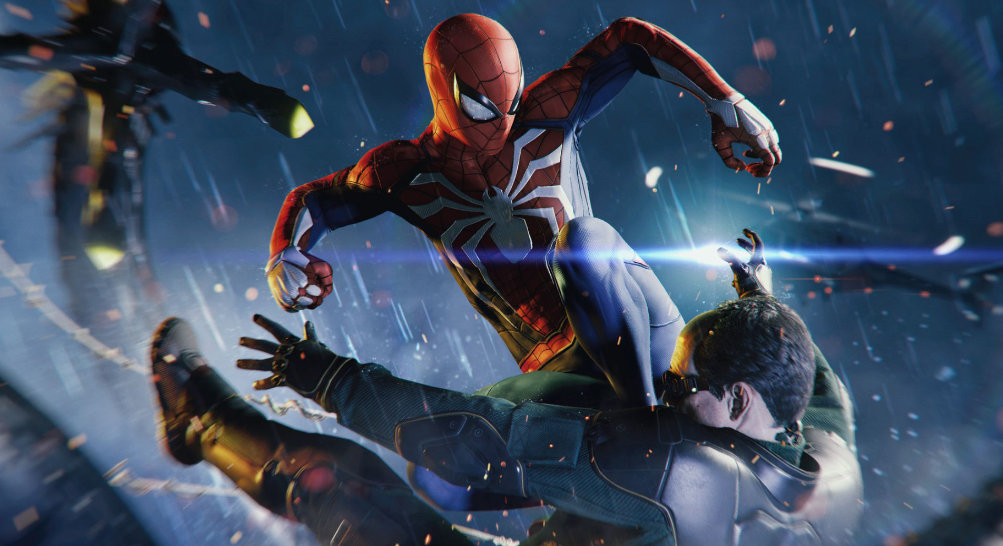
While Batman and Spider-Man are the two most prominent examples of licensed video games that have nothing to do with existing movies or shows, they are only the tip of the iceberg: Star Wars has The Force Unleashed and Jedi: Survivor sagas, Lord of the Rings has the revolutionary Shadow of Mordor/War duology, Alien has Alien: Isolation (which is considered one of the best horror video games ever made), Harry Potter has the commercially successful Hogwarts Legacy, so on and so forth. Looking back, game adaptations of movies were always a hassle to develop, because developers were forced to work with limited resources to make a game before hitting a specific deadline (after all, they had to be ready around the same time their respective movies or shows were out, or otherwise the companies risked losing the interest of mainstream audiences).
These new types of original AAA video games based on licensed IPs are more efficient because they give studios a lot more creative freedom to do whatever they want without needing to stick to the story, characters, and world of a movie they had nothing to do with. So yes, the movie-licensed games we all grew up with are dead now, but maybe that’s a good thing, because they’re an outdated practice from a bygone era. They will certainly be missed, but it’s time to accept they’re gone and embrace all the new forms the licensed video games have taken in the modern gaming industry. And for those who can’t accept that change, they can just play Bluey: The Videogame instead.

Julián is an Argentinian journalist, writer, and researcher with a love for retro gaming, anime, and manga. Julián is always eager to share interesting stories about the fascinating video game industry.