Resident Evil May Be Thriving Now, But It Almost Died During The 2010s
There’s no denying that Resident Evil is a mainstay of the video game industry in general, not just the survival horror genre. Over the course of its 30-year-long history, this award-winning franchise has been the home to multiple high-quality titles that had a huge cultural impact and influenced other developers on more than one occasion. As a result, the Resident Evil series has proven to be extremely profitable for Capcom, and it has sold over 183 million units in total.
With Resident Evil: Requiem on the horizon, combined with the success of other critically acclaimed entries from recent years (like Resident Evil 4 Remake or Resident Evil 8: Village), it’s safe to say that this franchise is thriving more than ever now. But, in order to better appreciate this new “Resident Evil Renaissance,” it’s also crucial to remember that this survival horror series wasn’t always in a good place, and it came very close to dying in the early 2010s. In this retrospective, we’ll take a deep dive into the history of the franchise, from its humble origins to the fateful moment in which the colossal failure of Resident Evil 6 almost put an end to it. In a way, you could say that it came from the dead, as a zombie would.
Resident Evil Popularized The Survival Horror Genre During The 90s
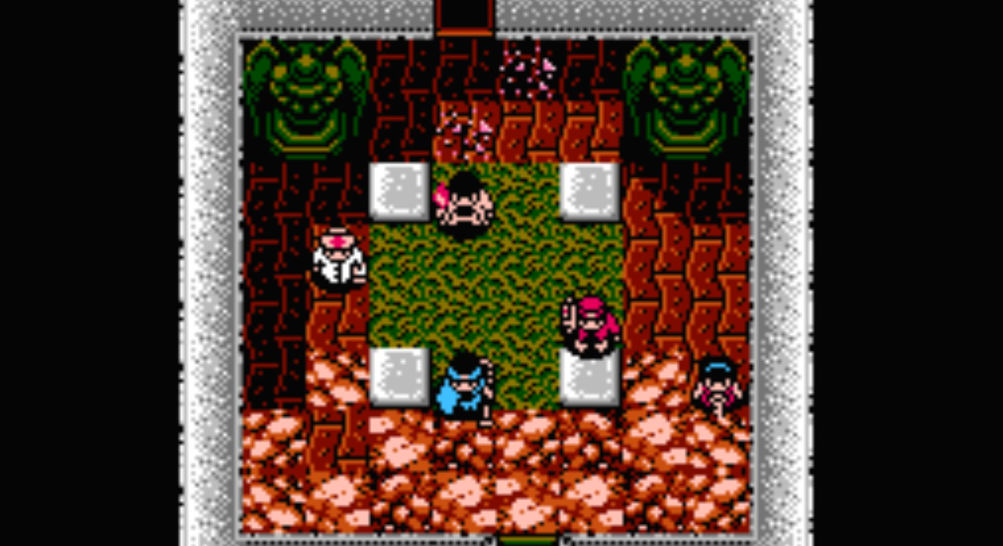
This story doesn’t actually start in the 90s but in the 80s. 1989, to be more specific, the year in which Capcom released a Famicom game titled Sweet Home, based on the Japanese horror film of the same name. Truth be told, this title was way ahead of its time, and it can basically be considered the precursor to all survival horror games: it’s an RPG set entirely within a mansion that the five playable characters can explore, but if they die at the hands of a zombie or a ghost, it’s permanent. That’s right; Sweet Home technically had permadeath, which adds a lot to the game’s tension and atmosphere.
Sweet Home’s director was one Tokuro Fujiwara, an iconic Capcom developer who worked on classic franchises like Mega Man and Ghosts 'n Goblins. One of his protégés was a young Shinji Mikami, so when Capcom asked for a game set in a haunted mansion, Fujiwara believed he was the best man for the job because he “hated being scared”. Their main idea was to take advantage of the recent (at the time) advancements in technology to pull off what Fujiwara himself wasn’t capable of back in the late 80s, especially in terms of graphics and horror imagery. Mikami’s new game slowly began taking form, as it borrowed many elements from Sweet Home, including the mansion setting, the limited item inventory, the puzzles, the survival aspect, and even the iconic loading screens that show a door slowly being opened.
The final result was, of course, the original Resident Evil, which was released for the original PlayStation in Japan on March 22, 1996, and less than a month later, on April 1, in North America. Now, saying that this was the game that created the survival horror genre would be inaccurate. As a matter of fact, that title is often attributed to 1992’s Alone in the Dark, which even Mikami himself has stated influenced the creation of Resident Evil, especially when it comes to its fixed camera angles: if it wasn’t for Alone in the Dark, Resident Evil would have a first-person perspective instead, similarly to the aforementioned Sweet Home. However, the first game in the franchise still captivated various players with its unique gameplay and style, so it’s easy to see why it’s often credited for single-handedly popularizing the survival horror genre and influencing many other similar titles that came after it.
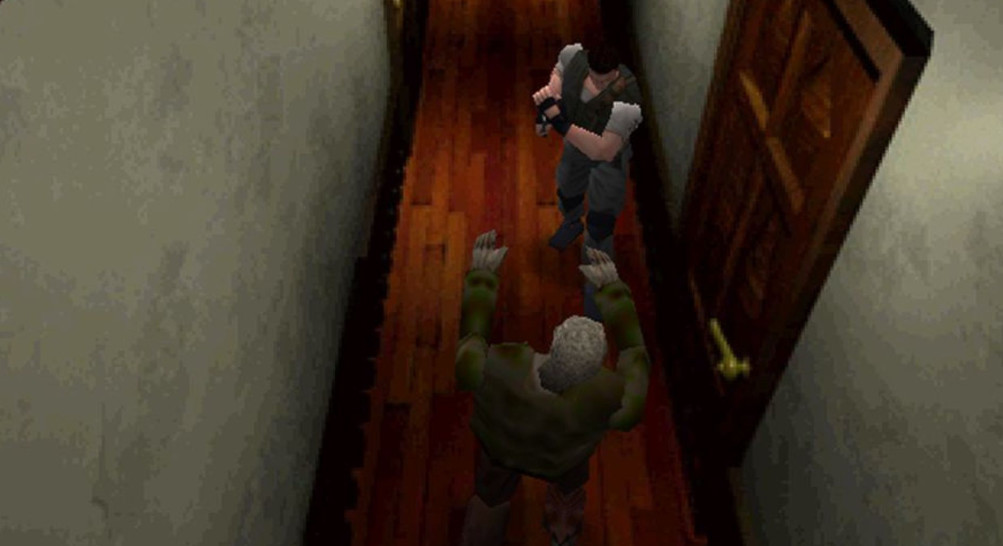
Everything about the original Resident Evil worked surprisingly well, and it elevated its dark and intense atmosphere: the main setting of a mansion plagued with zombies and other deadly creatures, the fixed camera angles, the limited ammunition and health items, and even the cheesy dialogue and over-the-top live-action cutscenes. This game basically felt like an homage to classic zombie movies, like those directed by George Romero, and that factor resonated heavily with gamers from that time. As a result, Resident Evil 1 influenced multiple zombie media from the following years, including video games, shows, and movies. On top of all that, it was also a huge financial success, with over 5 million units sold in total, which obviously encouraged Capcom to keep capitalizing on this new franchise they had created.
A slew of Resident Evil sequels and spin-offs were released throughout the late 90s and early 2000s, including Resident Evil 2 and Resident Evil 3: Nemesis, with Mikami producing all of them and recruiting other talented developers, like Hideki Kamiya and Kazuhiro Aoyama, as directors. These new titles greatly expanded on the concepts and mechanics introduced in the first one, and, as a result, they received even more positive reviews, to the point that Resident Evil 2 is now considered one of the best survival horror games ever made. Some notorious spin-offs released during this period include the light gun shooter Resident Evil Survivor and the bizarre Game Boy Color exclusive, Resident Evil Gaiden. Needless to say, Resident Evil had become a massive cultural phenomenon by the late 90s/early 2000s, and it was basically the first thing most people thought of when the term “survival horror game” was brought up.
Resident Evil 4 Changed Everything During The 2000s
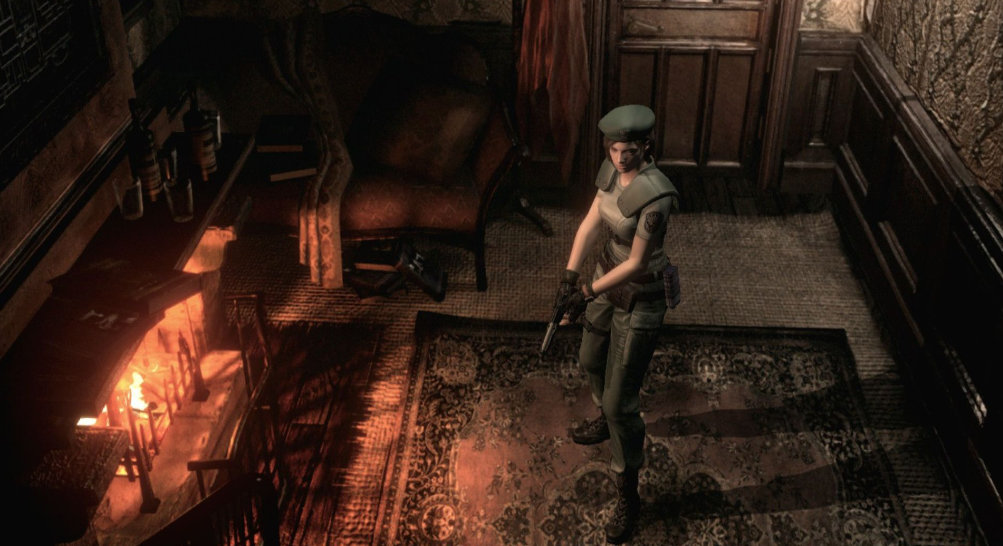
By the time the new millennium arrived, the franchise’s popularity kept growing steadily, with critically acclaimed releases like Resident Evil – Code: Veronica and even a movie adaptation directed by Paul W. S. Anderson, which, despite its glaring issues, became a cult classic and launched an entire film franchise of its own. However, the most notorious Resident Evil project released during the early 2000s was the Nintendo GameCube remake of the first game, colloquially known by fans as Resident Evil 1 Remake. This title was part of an exclusivity agreement between Capcom and Nintendo meant to bring more mature, third-party games to the Big N’s consoles, and, despite coming out only six years after the original, the difference between the two was mind-blowing. The detailed graphics were on a whole new level, not to mention that it fixed many of its shortcomings while simultaneously adding a few new areas and enemies. Resident Evil 1 Remake is now widely considered the definitive version of this game and one of the best entries in the entire franchise. It even sold over 5.9 million copies, which is pretty impressive for a game that was exclusive to the GameCube, a console that struggled to catch up in terms of sales, especially when compared to its competitors.
However, despite all of this resounding success, the Resident Evil IP (and, by extension, Capcom) was enjoying at the time, things were actually quite dire behind the scenes. Shinji Mikami and his team had been working on the fourth mainline installment in the series for many years, and they went through many different iterations that experimented with new gameplay mechanics, camera perspectives, and even supernatural elements (which felt out-of-place for a franchise that always focused on science-based horror). Curiously enough, one of these scrapped versions, which was helmed by Hideki Kamiya, ended up becoming Devil May Cry, the game that popularized the hack-and-slash genre. The fact that Resident Evil directly inspired the creation of an entirely different video game genre is a testament to this franchise’s undeniable levels of influence and cultural impact.

The history of Resident Evil 4’s development is long and complicated, and it warrants an entirely different retrospective of its own, but the final game finally ended up coming out on January 11, 2005, exclusively for the Nintendo GameCube. This long-awaited sequel received vast critical acclaim, and it was quickly considered the best game released during a year full of instant classics. It was praised for its incredible graphics, its collection of terrifying enemies, its fast-paced action gameplay, its endless replayability, and its cast of charming characters, but there was one sole aspect in which Resident Evil 4 broke new ground in ways that no other game in the genre had before: its over-the-shoulder perspective.
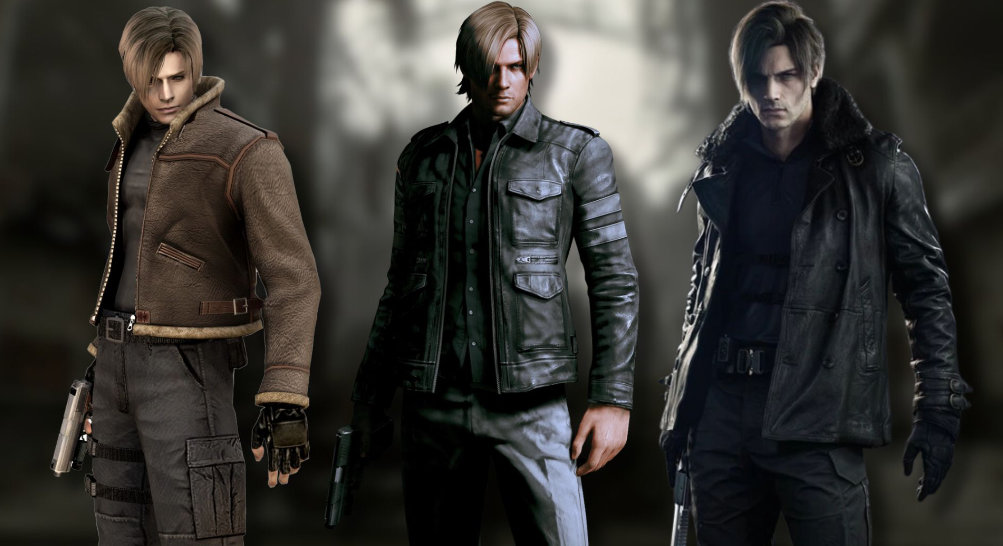
Third-person shooters obviously existed at that point, but their shooting always felt much more cumbersome and less satisfying than in first-person shooters. However, Resident Evil 4’s innovative over-the-shoulder perspective made the gunplay feel precise and satisfying, while also keeping the attention on the model of the main character, Leon S. Kennedy. The best part is that this gameplay style has aged incredibly well, as the game is over 20 years old at this point, and it still holds up today, to the point that many fans enjoy replaying it on a regular basis.

Resident Evil 4 was a huge critical and commercial success, and its popularity skyrocketed when Capcom ported it over to other consoles (like PlayStation 2 and PC) a few years later. As a result, it has sold over 15 million copies (making it one of the best-selling games in the franchise) and is widely considered one of the greatest video games of all time, one of those that every seasoned gamer needs to try out at one point in their lives. Furthermore, its groundbreaking third-person shooter gameplay directly inspired many subsequent titles, as the genre went through a huge resurgence during the late 2000s. The developers of modern masterpieces like Gears of War, Uncharted: Drake’s Fortune, and Dead Space (among many others) have cited Resident Evil 4 as one of their main sources of inspiration. This game was not without its detractors, however, as a fair share of hardcore Resident Evil fans believe that it leaned too heavily into the action and that its success encouraged Capcom to slowly abandon the series’ survival horror roots. Weirdly enough, they are not entirely wrong…
By the late 2010s, the Resident Evil franchise had somehow peaked twice, despite never experiencing any real lows, by constantly innovating the industry with various high-quality games that, above all, were pure, unadulterated fun. However, it was slowly becoming more and more evident that Capcom was flying too close to the sun and that the decision to shift into a more action-oriented gameplay style was going to lead directly to the inevitable doom of this once-beloved franchise.
Resident Evil 5 Almost Killed The Franchise During The Early 2010s
During the mid-2000s, Resident Evil creator Shinji Mikami left Capcom due to creative differences and became a freelance developer, only to eventually found his own studio, Tango Gameworks, in 2010. Even though his last project on the franchise was the award-winning Resident Evil 4, his departure shouldn’t have been much of a big deal. After all, Resident Evil was already huge at that point and was constantly being worked on by a vast number of creatives, many of whom had worked under Mikami’s direction. Around that time, Capcom began working on the next installment in the series, and, to no one’s surprise, they intended to retain Resident Evil 4’s groundbreaking gameplay style. However, the most exciting (at the time) part of this new game was the fact that it would be the first one in the franchise to be made for HD consoles from the ground up, as the Xbox 360 and the PlayStation 3 had been released on the market in 2005 and 2006, respectively.
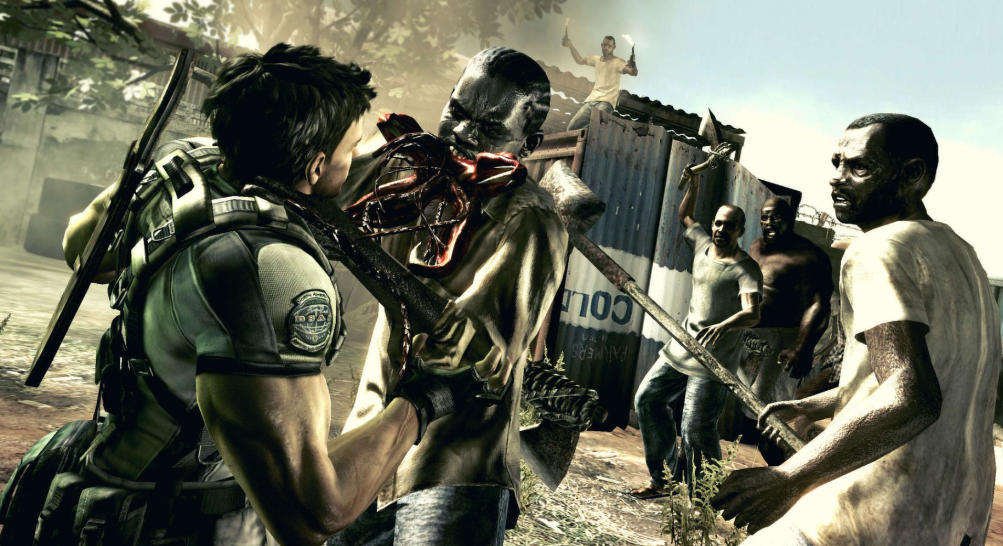
The final product was Resident Evil 5, a game that immediately felt like a spiritual successor to Resident Evil 4, as it shared many elements with its predecessor: it took place in a foreign location outside of the United States (West Africa instead of Spain), it brought back a classic character that hadn’t been seen in years (Chris Redfield instead of Leon Kennedy), and it even had the same over-the-shoulder perspective to improve its third-person shooter gameplay. However, Resident Evil 5 also tried to innovate in other aspects by adding the option for co-op multiplayer (the second player could take control of a new character named Sheva) and by making many tense-filled sequences take place during the day, in levels with very bright lighting. When it came out on March 5, 2009, Resident Evil 5 was praised for its gunplay and some of its original ideas, but it was also panned for its absurd story and its heavy focus on action. Resident Evil 4 was already criticized for leaving its survival horror roots behind, but it felt like its immediate follow-up was straying even further away from that path. Many critics often mentioned that it felt like “a full-on action blockbuster” and that it was very hard to feel scared when you’re exploring colorful levels while accompanied by someone else.
At the end of the day, however, Resident Evil 5 sold over 16 million copies, way more than its predecessor, and to this day, it still is one of the highest-selling games in the entire franchise. Looking at these numbers, Capcom certainly can’t be blamed for wanting to keep pursuing this new, action-based formula, despite all the rampant criticisms. After all, many people who haven’t played the older games thoroughly enjoyed Resident Evil 4 (it’s a very newcomer-friendly game), so they quickly jumped at the opportunity to buy and play its direct sequel, especially because it was the first entry in the series they could play on their shiny new PS3/Xbox 360. Shortly after Resident Evil 5’s launch, Capcom began working on its sequel, and the designers began throwing around many different ideas. One of their main objectives with this project was “to deliver the most impressive Resident Evil title ever, both in terms of scope and production values,” with director Eiichiro Sasaki coming up with the idea of an “ambitious, massive-scale scenario which would be told in the form of a 'hero's journey.” The best way to realize these concepts was to bring back almost every single main character from previous Resident Evil games and give each one of them their own playable campaign, so this game would feel like a conclusion to the story that had been told over the course of the last five mainline games (and various spin-offs).
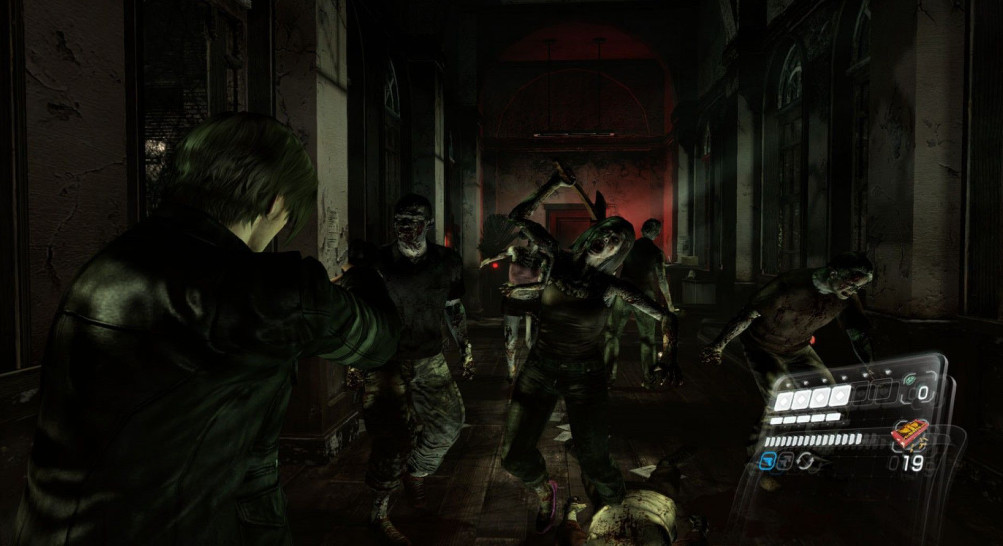
It’s because of these highly ambitious ideas that Resident Evil 6 featured three main campaigns: one for Chris Redfield, one for Leon Kennedy, and one for Jake Muller (a new character who was later revealed to be Albert Wesker’s son), with another campaign starring Ada Wong unlocking after the previous three are completed. Truth be told, this is not a horrible game per se, but it was initially despised by most fans, and it did end up hurting the entire IP in the long run. Resident Evil 6 came out on October 2, 2012, and it was immediately panned by fans and critics alike. While many enjoyed the third-person action gameplay and appreciated the appearances from multiple classic characters, the game was heavily criticized for focusing way too much on the action, as it was full of over-the-top, bombastic sequences that just didn’t belong in Resident Evil, and the survival horror elements took a major backseat. Many felt like Resident Evil 6 was suffering from an identity crisis and that it didn’t know what it wanted to be: a celebration of the entire franchise’s history? A dark and disturbing survival horror experience? A third-person shooter made for the “Call of Duty generation”? Needless to say, many of these concepts are incompatible with each other, which is why the final product felt so overwhelming, generic, and unsatisfying.
While Resident Evil 6 has sold over 15 million copies as of 2025, it’s worth mentioning that its sales were quite solid during its release year, to the point that Capcom was forced to lower its expectations when it saw it was doing quite poorly. In a way, this game was a critical and financial failure, and it greatly soured the reputation of the Resident Evil franchise. It was now considered a mediocre series of action games instead of the survival horror darling everybody once knew and loved. However, it’s very important to clarify that this downfall wasn’t caused entirely by Resident Evil 6; yes, it was the biggest and most disappointing game released around that time, but the game is still solid in many areas and has a solid fan base to this day. The problem is that Capcom also put out other action-focused projects during the early 2010s that made it seem like they forgot Resident Evil was supposed to be a survival horror series in the first place. Spin-offs like Resident Evil: Operation Raccoon City and Umbrella Corps — both of which are action games with a big multiplayer component — are considered to be some of the absolute worst entries in the entire franchise. Additionally, Resident Evil: Revelations, the only scary game from this period that stuck to its survival horror roots, was originally exclusive to the Nintendo 3DS, meaning that only a significantly smaller player base was able to play it (fortunately, it was eventually ported to PlayStation 4 and Xbox One in 2013).
After having enjoyed almost 16 years of resounding success, the early 2010s marked the lowest point for the Resident Evil franchise. Of course, sales were not that bad, and other projects, like film adaptations and spin-offs, were still being produced (this is a testament to how unkillable this IP truly was), but mainstream gamers were slowly growing disinterested with the newer games due to their focus on action instead of scares, and they gravitated towards other titles instead, including The Evil Within, which, ironically enough, was directed by Shinji Mikami and developed in his new studio, Tango Gameworks. All in all, saying that Resident Evil outright died would be inaccurate (hence, the usage of “almost” in this article’s title), but it is true that its prestigious reputation as gaming’s biggest and most important survival horror franchise had diminished after the release of divisive projects like Resident Evil 6, Operation Raccoon City, and Umbrella Corps, and Capcom was going to need to pivot to an entirely different direction if they wanted that to change.
Resident Evil 7 Revitalized The Franchise During The Late 2010s
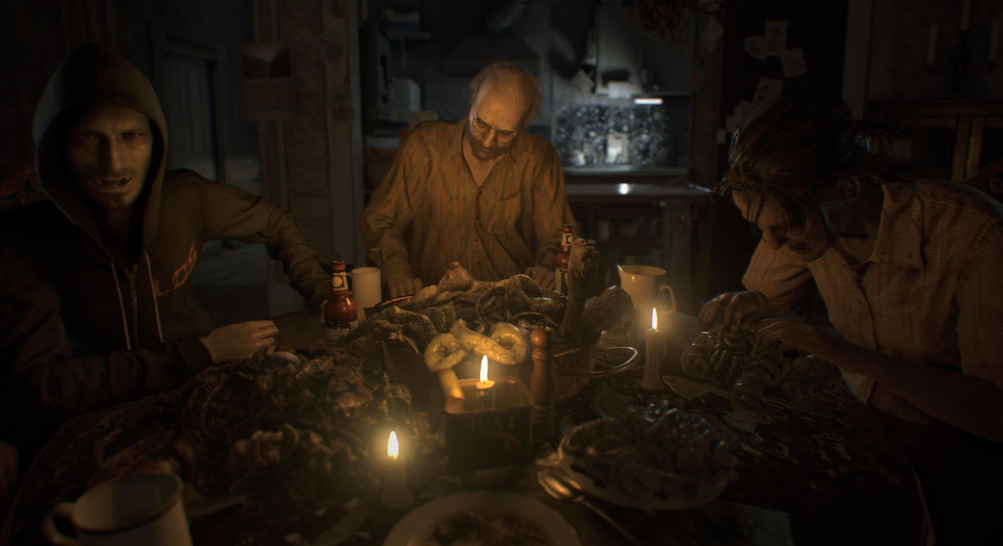
5 years went by without a new mainline Resident Evil game, as the developers at Capcom paid attention to the critics who said Resident Evil 6 was not scary at all, and they wanted to play a true survival horror game again. Needless to say, the best way to achieve that goal would be to start from scratch and create a new title that not only played like an old-school survival horror but also featured an original character with a brand-new story, almost disconnected from the plot of previous entries. This was quite a bold choice, but time would eventually prove that it was the absolute best one they could have made. It’s evident that Capcom took the release of Resident Evil 7: Biohazard very seriously, as they showcased a mysterious tech demo titled KITCHEN at E3 2015, so when they eventually revealed the real game a year later, at E3 2016, gamers were shocked to find out that KITCHEN was their first look at the next entry in the Resident Evil franchise all along. Every single part of Resident Evil 7’s marketing campaign, from its trailers to its teaser demo, Beginning Hour, focused on the game’s dark, slow-paced, and atmospheric style in order to make it clear to fans that this terrifying new adventure was going to focus more on the horror and less on the action.
Resident Evil 7: Biohazard (which is a brilliant title that references both the franchise’s English and Japanese names) came out on January 24, 2017, and it quickly became a worldwide success. It actually broke new ground in many ways, as it starred a brand-new protagonist named Ethan Winters, it was played entirely in the first-person perspective, and of course, it went back to the slow-paced survival horror gameplay the franchise was known for, complete with an unnerving atmosphere and limited ammunition and items. Resident Evil 7 resonated with players, both in terms of its gameplay and its storytelling, and it was praised by fans and critics alike. With over 15 million copies sold and a score of 86 on review-aggregation sites like Metacritic, this is widely considered one of the best entries in the entire franchise, but, most important of all, it proved to Capcom that there was a massive audience for slow-paced, scary survival horror titles. They didn’t need to keep doubling down on bombastic action experiences like the success of Resident Evil 4 mistakenly made them believe.
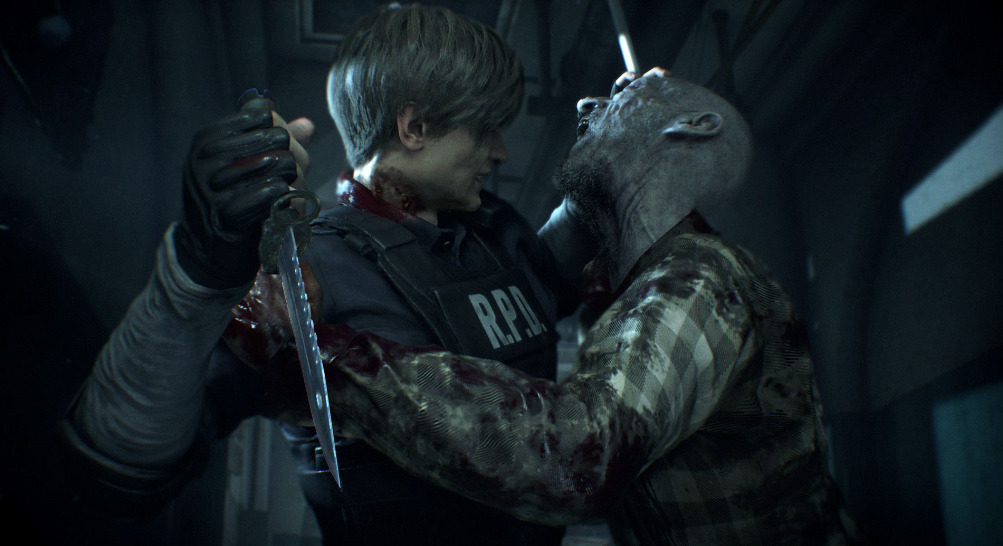
Needless to say, Resident Evil 7 breathed new life into the franchise, and Capcom quickly began working on other similar titles that could build from what this title had established and, as a result, keep that newfound momentum. One of the “dream projects” longtime fans were dying to see become a reality was a full-on remake of Resident Evil 2, but with the more modern over-the-shoulder gameplay of titles like Resident Evil 4. A group of fans under the name Invader Games tried to make their own remake titled Resident Evil 2 Reborn, but they were kindly invited to Capcom’s offices and asked to shut it down. Why? Because they were working on their own official Resident Evil 2 Remake. In exchange, Capcom met up with the Invader Games team (all of whom were huge fans of the franchise) and even suggested that they transform what they had already made into a brand-new title, which led to the creation of Daymare: 1998. All in all, this little anecdote is not actually a significant part of Resident Evil’s history, but it still is a wholesome moment in time that proves, unlike other AAA companies, Capcom cares about fan-made projects.
In reality, Capcom originally announced that they were working on Resident Evil 2 Remake back in 2015, two whole years before Resident Evil 7 came out, but since they stayed silent on the matter for many years, many fans forgot it existed and even believed that it had been canceled. Fortunately, they were wrong, and at E3 2018, they re-announced the project, as fans finally witnessed their 20-year-long dream come true: Leon Kennedy and Claire Redfield exploring Raccoon City, complete with stunning HD graphics and a modern gameplay style. After months of hype and anticipation, Resident Evil 2 Remake came out on January 25, 2019, and it was an instant hit. Both fans of the original and newcomers were pleased with the final product, as it felt like the perfect combination of “old” and “new,” and now this remake is widely considered one of (if not the) best games in the entire franchise. The popularity of Resident Evil 2 Remake was reflected in its sales, as it sold over 16 million copies, thus making it the #1 highest-selling game in the franchise. To no one’s surprise, Capcom quickly tried to capitalize on the success of this modern reimagining of a classic and released Resident Evil 3 Remake a year later, on April 3, 2020. While this is a solid entry in the series, it was nowhere near as good as its predecessor, and many Resident Evil 3 fans were unhappy with its short duration, its cheap scares, and the removal of areas that were present in the original. Nevertheless, Resident Evil 3 Remake still received relatively well, so it was not enough to stop the franchise’s newfound momentum. It felt more like a small misstep than a full-on franchise-killer, like some people believe Resident Evil 9 was.
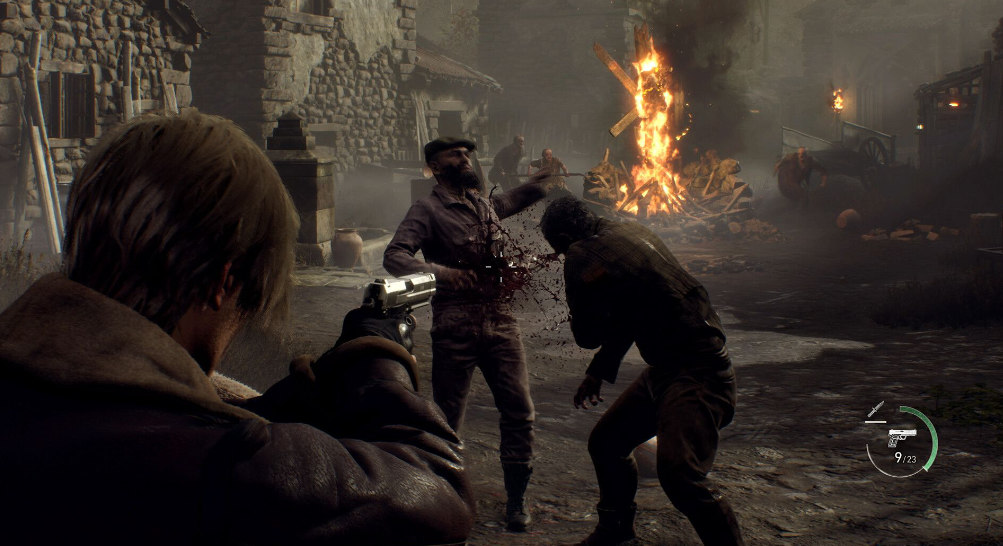
Truth be told, it was smooth sailing for both Capcom and Resident Evil from that point onward: they released Resident Evil 8: Village in 2020, which was notorious for being the first entry in the series available for ninth-generation consoles like the PlayStation 5 and the Xbox One. It was a direct sequel to Resident Evil 7 that continues the story of Ethan Winters and his family and was endlessly praised for borrowing many elements from the critically acclaimed Resident Evil 4, like its European setting and the presence of a vendor who interacts with Ethan throughout the entire game. While it did have way more action than its predecessor, Resident Evil 8 still prioritized scares and a dark atmosphere over everything else, which is why it resonated with most fans and, like most other entries released around this time, is now considered one of the best Resident Evil games ever made.
3 years later, in 2023, Capcom released Resident Evil 4 Remake, a game whose initial announcement was met with endless criticism. After all, unlike RE2 and RE3, the original Resident Evil 4 was seen as a near-perfect game that didn’t really need a remake. As a matter of fact, most fans at the time claimed that they would much rather have a remake of another title that needed one, like Code Veronica or even Resident Evil 5. Despite the criticisms, Capcom kept going forward, and it was definitely worth it in the long run because Resident Evil 4 Remake was a huge success that somehow improved on many aspects of the original without feeling like a proper replacement. It’s a fresh, modern retelling of a classic that satisfied most hardcore fans and was even named one of the best games of 2023, which is quite impressive when considering that this (similarly to 2005) was one of the most stacked years in terms of high-quality video game releases. And if all this critical acclaim wasn’t enough, both RE8 and RE4 Remake sold incredibly well, meaning that Capcom now has a financial reason to keep greenlighting Resident Evil titles that put their focus on their survival horror roots.
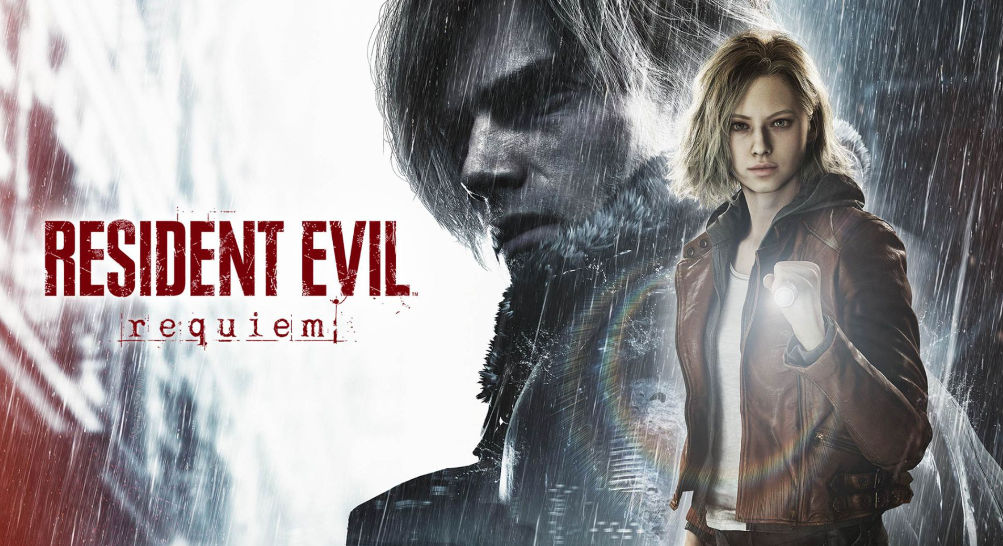
Some multiplayer-only spin-offs and a few film and TV adaptations (all of varying quality) were released during the 2020s, but their success (or lack thereof) doesn’t really matter, because the mainline Resident Evil series is now back at full force and, obviously enough, has practically become Capcom’s golden goose alongside Monster Hunter. The next installment, Resident Evil 9: Requiem, is set to come out on February 27, 2026, and, based on its many previews, it seems like it will also be a surefire critical and financial success, just like its recent predecessors. Who would have thought that bringing back what made your survival horror so beloved in the first place was the key to regaining goodwill from fans and critics alike? Capcom obviously learned its lesson, and despite some questionable decisions, fans can safely say that Resident Evil is in good hands now. The only question left is: what’s next for the IP? If RE9 Requiem ends up doing well both financially and critically (which it most likely will), it wouldn’t be surprising if they decide to remake Code Veronica and/or RE5, not to mention that they will certainly greenlight Resident Evil 10. Only time will tell, but, for now, we should all enjoy/appreciate that our favorite survival horror franchise came back from the dead and is thriving more than ever.

Julián is an Argentinian journalist, writer, and researcher with a love for retro gaming, anime, and manga. Julián is always eager to share interesting stories about the fascinating video game industry.
Recommended